Society teaches us to climb a mountain of worth, paving our path with credentials, accolades, and the relentless pursuit of ‘enough.’ But what happens when you reach the peak, exhausted and out of breath, only to realize you leaned your ladder against the wrong wall entirely? For years, I tried to outrun a deep-seated feeling of inadequacy by chasing external validation and collecting achievements like armor. This candid story shares what happened when I finally stopped running, laid down my defenses, and began the terrifying, beautiful, and deeply liberating work of Reclaiming My Narrative. Welcome to the messy art of becoming wholehearted.”

The phrase becoming wholehearted sounds beautifully warm, like wrapping yourself in a blanket on a cold day. But practically, what does it actually mean? The dictionary defines wholeheartedness as being completely, sincerely devoted, determined, or enthusiastic—an unconditional commitment.
For a long time, I thought that commitment meant chasing external markers. From the onset of my adult life, I had an insatiable hunger for knowledge. My ambition was to accumulate ten degrees, including three PhDs. I mistakenly believed these credentials would buy me money, recognition, and ultimate worth.
But after a while, the view from the climb changed. I began to realize how easy it is to scramble up a ladder, only to find it was leaning against the wrong wall. When we anchor our happiness exclusively to the future, we can turn our present day into an unbearable kind of hell.
The Silent Erosion of Self-Worth

Little did I know that my own erosion of worth had a complex story to tell. For years, there was a persistent feeling that something was fundamentally wrong, but I lacked the words to define it. When uncomfortable things happened to me, I absorbed them as personal failures. I fell into the trap of confusing doing something wrong with being something wrong.
The turning point came in a sudden flash of awareness. I realized that the sharp anguish I felt after hearing a negative comment wasn’t actually caused by the comment itself. It hurt because it resonated with a negative label I had already secretly accepted as my own truth.
It reminded me of the infamous concept often attributed to Joseph Goebbels: “If you tell a lie big enough and keep repeating it, people will eventually come to believe it.” For years, the question I heard most often was, “What’s wrong with you?” It landed like a panic button in my soul. Subconsciously, I became hyper-vigilant, dedicating my life to proving a counter-narrative: Look, there is nothing wrong with me.
Facing the Undercurrents

Reclaiming my narrative meant I had to stop running. It meant facing the shame, digging deeper, and finding the exact places where I had let those negative labels take root.
Think about an everyday incident like road rage. The explosion of anger on the asphalt is rarely about the car that cut you off; there is almost always a deeper, subterranean undercurrent of anger just waiting to be triggered.
When you haven’t fully owned your own story, your nervous system experiences a distinct fear when venturing into new, authentic territory. Leaving the old, hyper-vigilant defenses behind is terrifying. It takes immense courage to be vulnerable and step into the unknown. Yet, this exact courage has been the mechanism for peeling off the layers of who I thought I should be, leaving me open to the beautiful, open-ended process of simply becoming. True emancipation, I’ve learned, has to come from within. It is the permission to simply be present and true to the moment.
The Anatomy of Courage and Connection
In my journey, the work of Dr. Brené Brown on wholehearted living has been a guiding light. Her research emphasizes engaging with the world from a place of worthiness, embracing vulnerability, and practicing self-compassion.
Interestingly, the etymology of the word courage comes from the Latin word cor, meaning heart. Originally, courage meant telling the story of who you are with your whole heart.
True courage means embracing our imperfections and extending compassion to ourselves so that we can genuinely offer it to others. We cannot give away what we do not have.
Furthermore, true connection is always the byproduct of authenticity. It requires a willingness to let go of the curated version of who we think other people want us to be, so we can show up as we actually are. Vulnerability isn’t easy for wholehearted people, but they recognize it as non-negotiable. While vulnerability is the birthplace of fear and shame, it is simultaneously the cradle of joy, creativity, love, and belonging. When we try to numb the hard stuff, we inadvertently numb our capacity for joy.

Cultivating the Inner Garden
What has finally allowed me to take this leap of vulnerability is understanding the architecture of commitment. I am incredibly fortunate to have the backbone of a committed relationship—someone committed to loving me for better or for worse.
But a profound realization followed: I cannot ask someone else to hold that level of commitment for me if I am unwilling to hold it for myself.
Self-abandonment is no longer an option. Today, I am intentionally taking the time to sit with myself and accept exactly where I am. I am learning to embrace it all—the proud accomplishments right alongside the moments so embarrassing I wished the earth would swallow me whole.
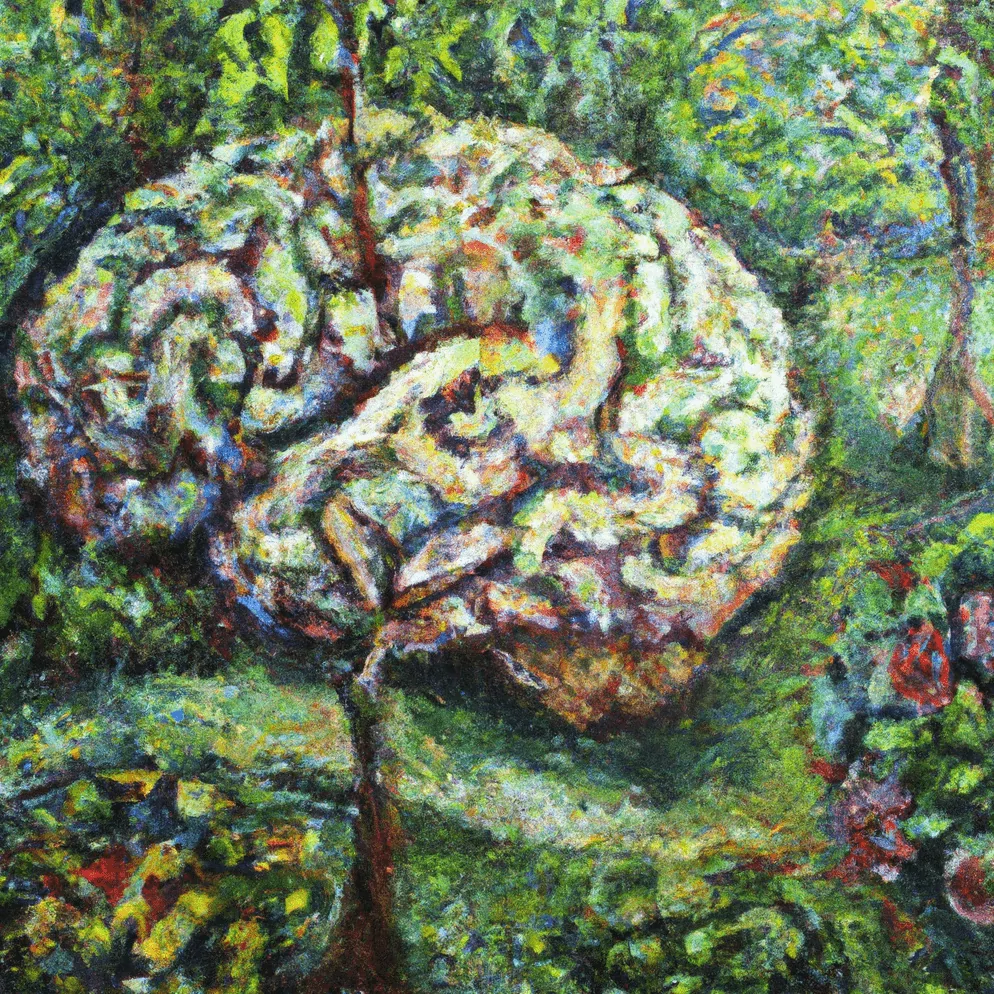
The more I practice this internal acceptance, the more naturally authentic I become in social and professional spaces. Tending to this “inner garden” has given me a quiet, sacred space to tap into my truest resources: deep compassion, unconditional love, and radical empathy.

Ultimately, Reclaiming My Narrative isn’t a destination with a neat finish line; it is my daily, conscious decision to stay. It is my quiet, radical act of refusing to abandon myself, even when my old, familiar fears whisper that I am still failing. By tending to my inner garden—embracing both my brightest triumphs and the bruised, embarrassing moments I’d rather forget—I finally unlock the door to genuine connection. I do not need a mountain of credentials to justify my space in this world. I only need the courage to tell my story with my whole heart, step into the light, and allow myself, at long last, to simply be.
✍🏽 About the Author

Esther Bobo is a wellness storyteller and advocate passionate about helping individuals heal, grow, and live authentically. Through her writing, she explores themes of self-awareness, emotional healing, and spiritual transformation — inviting readers to reconnect with their inner light and live from a place of truth.