We love to celebrate victory. We honour the leaders, pioneers, and trailblazers who changed the world through courage and sacrifice. Yet, what if their greatest legacy is not what they accomplished, but the inner journey that made their accomplishments possible? This reflection explores the untold journey of the warrior—the quiet, often painful process of becoming—and invites us to move beyond admiration and ritual into the daily practice of tending our own inner garden.
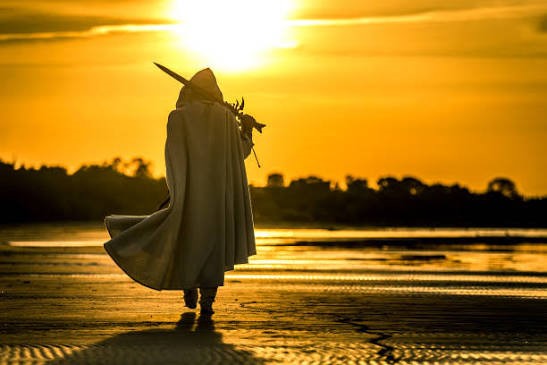
The Warrior Is Forged in the Process
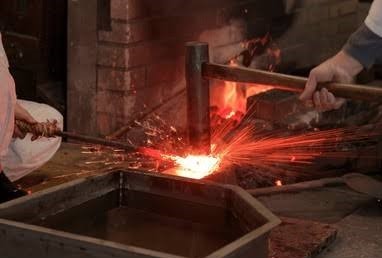
When we look at the giants of history—both ancient warriors and modern trailblazers—we naturally gravitate towards the fruits of their purposeful actions. We throw parades, write biographies, and dedicate commemorative days in their honour.
But there is a quiet and uncomfortable truth we often overlook:
We celebrate the outcome, but the warrior is forged in the process.
If we only admire their finished monuments, we miss the very essence of their sacrifice. To truly honour them, we must be willing to step onto the same arduous path of becoming.
Greatness is rarely found in a moment of victory. It is cultivated in the unseen moments of perseverance, courage, and inner transformation.
The Silent Decision: Where the Journey Truly Begins
Long before the world sees a victory, a silent transaction takes place within the warrior’s heart. It is the moment of wholehearted commitment to a purpose greater than oneself.
This is where the real journey begins—not in public applause, but in private surrender. It requires a sober and open-eyed assessment of the road ahead. The warrior heart asks:
- Am I willing to stay the course, no matter how long it takes?
- What will it cost me?
- Am I prepared to sacrifice comfort, certainty, and convenience for what I believe is true and worthwhile?
And then comes the most difficult question of all: Will I still say “yes” if I do not know how the story ends?
The warrior’s heart begins wide open—willing to offer an unconditional surrender to whatever the process requires. Purpose always comes with a price. The question is whether we are willing to pay it.
Nelson Mandela embodied this wholehearted commitment to purpose. He understood that living according to one’s convictions would cost him dearly—his freedom, precious years with his family, and the certainty of ever seeing the fruits of his sacrifice. Yet, he chose purpose over personal comfort.
To go to prison because of your convictions, and be prepared to suffer for what you believe in, is something worthwhile. It is an achievement for a man to do his duty on earth irrespective of the consequences
Nelson Mandela, interview with Scott MacLeod, Time Magazine, Soweto, South Africa, 26 February 1990
Walking Through the Ruins of Heartbreak

An open heart is also a vulnerable heart.
When we pursue a vision greater than ourselves, we will inevitably encounter disappointment, misunderstanding, and heartbreak. There will be seasons when few people understand the larger picture. Support may dwindle. Some may even believe we have lost our way.
Yet the warrior’s heart does not pitch a tent in the ruins of brokenness.
It courageously walks through the pain toward wholeness.
The journey requires us to enter the inner chambers of our own hearts—those places burdened by past trauma, disappointment, fear, and limiting beliefs. Healing requires vulnerability. It asks us to soften the hardened soil of our inner world so that hope, courage, and faith may take root once again.
The Fuel of Isolation: Activating Inner Resources

In seasons of deep discouragement—when you feel like a lone ranger—feelings of isolation are inevitable. But the warrior’s wisdom lies in recognizing that loneliness is merely a phase, not a destination.
These dry seasons are an invitation to wholeheartedness. By embracing our shadows rather than running from them, they lose their power and are dispelled by our inner light.
It is in these crucible moments that we are forced to tap into our deepest reserves. This friction activates our intuition, giving birth to the creative, wise ideas that create a powerful forward thrust.
Passing the Baton: From Moses to Joshua
Every generation has its standout leaders, but true leadership is ultimately measured by succession: Did the next generation take the baton and run further?
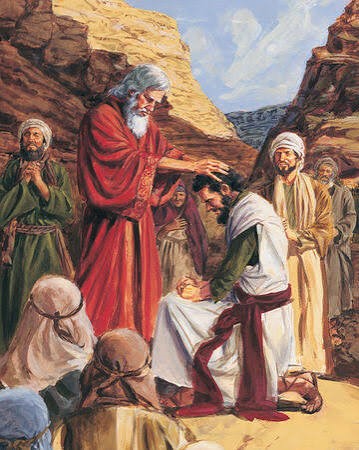
In the biblical narrative, Joshua represents seamless succession—a leader called to carry an inherited vision across the finish line. Yet before he could step into his calling, he had to navigate a profound personal transition. He had to celebrate the past, learn from his mentor, mourn a monumental loss, and then—when the moment came—move. He honored the giant whose shoulders he stood upon, but he refused to stay paralyzed in grief.
His commission began at the exact intersection of mourning and movement:
“After the death of Moses the servant of the Lord, the Lord said to Joshua son of Nun, Moses’ aide: ‘Moses my servant is dead. Now then, you and all these people, get ready to cross the Jordan River into the land I am about to give to them… I will give you every place where you set your foot, as I promised Moses.’”
— Joshua 1:1–3
Joshua didn’t cling to the past or try to be Moses. He honored what came before, picked up his portion of the vision, and stepped boldly into the river.
Beyond the Ritual: Living the Legacy
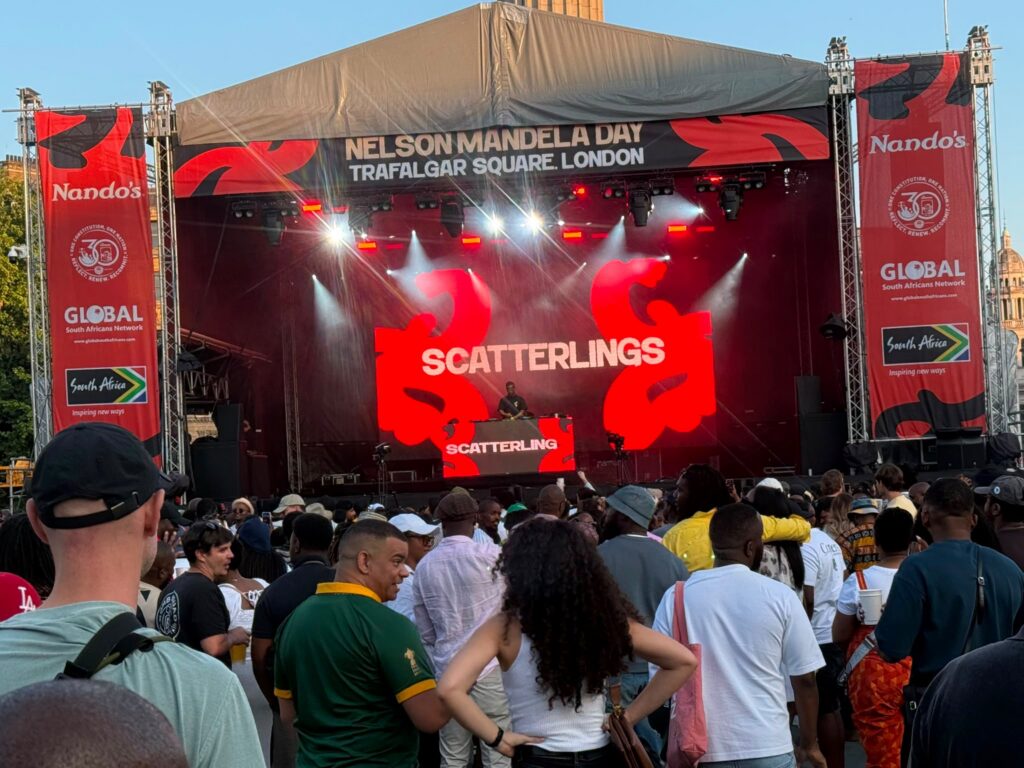
This reflection feels especially relevant during Mandela Month.
Every year, people across South Africa and around the world dedicate 67 minutes of service in honour of Nelson Mandela’s extraordinary legacy. These acts of kindness are meaningful and important. What amazes me is that, more than a decade after his passing, his memory continues to inspire millions of people across generations and cultures. The commemorations held around the world are a beautiful testament to the enduring impact of a life lived in service of others.
Yet, they also invite me to ask a deeper question: How do we ensure that Mandela’s legacy becomes more than an annual commemoration?
Has it become a yearly ritual?
How do we move beyond one day of service and allow the values he embodied—courage, forgiveness, justice, humility, and generosity—to shape the way we live every day?
How do we transition from admiring the greatness of our trailblazers to cultivating that greatness within ourselves?
Perhaps the greatest honour we can give those who have gone before us is not simply to celebrate what they did, but to continue the work they began in our own unique way. Legacy is not something we observe from a distance; it is something we embody through the choices we make each day.
Perhaps the answer lies much closer than we realise.
It begins within. It begins by tending our own inner garden—cultivating the character, convictions, and courage required to become active participants in creating a better world. Only then do we move beyond the ritual and begin living the legacy.
.
Naomi Campbell pays tribute to Nelson Mandela on his 108th birthday
Tending the Inner Garden
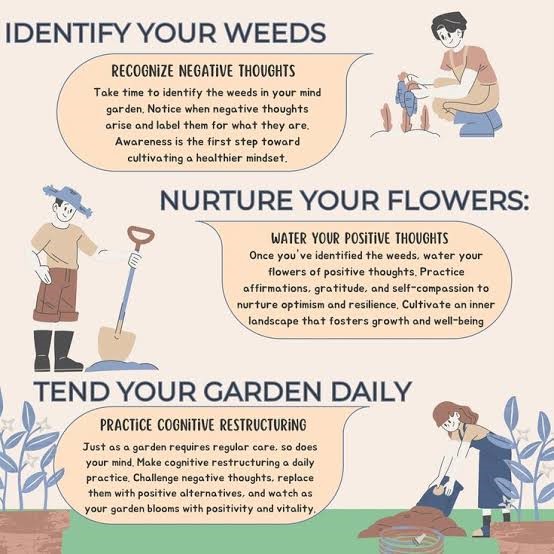
Cultivating your inner world is neither predictable nor easy. Keeping your garden fruitful demands daily, deliberate effort. Yet, it is in this quiet, ongoing work—tending to our thoughts, healing our wounds, and aligning our actions with our values—that we build the capacity for the life we have purposed in our hearts.
And there, in the soil of our own quiet dedication, is where we finally find inner peace.
Reflect & Act
How are you tending to your inner garden this week? What is one small step you can take today to turn inspiration into daily action

The untold journey of the warrior is not found in monuments, accolades, or moments of public recognition. It is found in the quiet, daily decision to keep becoming.
The world does not merely need more heroes to admire—it needs more people willing to do the inner work that greatness requires.
This week, I invite you to pause and ask yourself:
- What vision have I purposed in my heart?
- What part of my inner garden needs tending today?
- How can I honour the legacy of those who have gone before me by courageously living mine?
Because true greatness is not something we inherit.
It is something we cultivate.
And perhaps that is what it means to Be God’s Glow—to allow our inner transformation to become a light that quietly illuminates the world around us.
✍🏽 About the Author

Esther Bobo is a wellness storyteller and advocate passionate about helping individuals heal, grow, and live authentically. Through her writing, she explores themes of self-awareness, emotional healing, and spiritual transformation — inviting readers to reconnect with their inner light and live from a place of truth.
Leave a Reply