What if true generosity has little to do with what we give and everything to do with the condition of our heart?
In a world that celebrates individual achievement and personal success, generosity can seem countercultural. Yet history reminds us that the greatest leaders were not defined by what they accumulated, but by what they gave away. This reflection explores the radically generous heart of Nelson Mandela and how tending our inner garden enables us to live lives of purpose, compassion, and lasting impact.

The Generous Heart

We often speak of the heart as a physical pump, but those who look closer know it is something far deeper. It is the core of our being, the seat of our innermost character, and the compass of our truest inclinations. This week, my reflections have brought me to a specific condition of this inner center: the generous heart.
True generosity is not a transaction; it is an attitude of selfless love and kindness. It stretches far beyond the boundaries of financial giving to encompass our time, our talents, and our spirit. I like to think of this as consecrated giving—offering the best of ourselves with absolutely no strings attached, free from the expectation of gratitude, recognition, or repayment. It does not seek superiority or power. Instead, it flows from a deep, quiet well of love and compassion.
The Friction of an Individualistic World

Operating from this space is incredibly difficult in modern society. We exist in a landscape dominated by individualistic ideals, a reality exacerbated by modernization and shifting socio-economic structures. Our current social philosophy constantly reinforces the idea that the individual is of primary importance, prioritizing self-reliance and personal autonomy over collective interests.
When a culture constantly propagates the myth of scarcity, looking out for oneself feels like logical common sense. But this mindset runs violently against the grain of leadership that actually transforms systems. To bridge this gap, we can look to the legacy of Nelson Mandela. History demonstrates that abundance often begins with people who choose to give despite uncertainty.
The Integrity of a Consecrated Purpose
Mandela’s trajectory is a masterclass in the generosity of spirit. Rising from a humble upbringing and losing his father early in childhood, he possessed the perfect justification to build a life centered entirely on personal ambition as an escape from poverty. Furthermore, he operated under an apartheid system designed to crush his potential.
Yet, he chose to align his life with a purpose larger than his own survival, famously stating:
“I stand here before you not as a prophet, but as a humble servant of you, the people… It is an ideal which I hope to live for and to achieve. But if needs be, it is an ideal for which I am prepared to die.”
What stands out most about Mandela’s journey is his unwavering execution. Faced with a life sentence and harsh prison conditions designed to break his spirit, he maintained absolute integrity to his purpose. He leveraged adversity as fuel, operating under the mantra, “I never lose, I either win or learn.”
He actively chose to leave resentment behind, comparing it to drinking poison and hoping it would kill your enemies. Even when facing the immense psychological test of a prolonged, indefinite timeline in prison, he refused to allow bitterness to dictate his identity.

Leaving the Prison Before Leaving the Prison

One of the most powerful moments of Mandela’s life came on the day of his release.
After twenty-seven years of imprisonment, he recognised that true freedom required more than walking through prison gates.
It required leaving bitterness behind.
As he later reflected:
“As I walked out the door toward the gate that would lead to my freedom, I knew if I didn’t leave my bitterness and hatred behind, I’d still be in prison.”
That may have been his greatest act of generosity—not merely forgiving others, but refusing to imprison himself.
Moving Beyond Idolization

Madiba’s legacy remains profoundly tangible to me. However, I’ve realized that many of us—myself included—fall into a dangerous psychological trap when evaluating global icons: we idolize them.
By elevating extraordinary leaders to the status of flawless demigods, we create a convenient loophole for ourselves. I believe our subconscious tendency to romanticize their greatness is often rooted in a desire to exonerate ourselves from following their example. If greatness is supernatural, then we are completely absolved from chasing it.
But I am waking up to the true mandate of leadership. We are not meant to merely admire these ideals from afar; we are meant to perpetuate them in our own lives. Greatness is accessible to us all. As Mandela beautifully reminded us:
“I am not a saint, unless you think of a saint as a sinner who keeps on trying.”
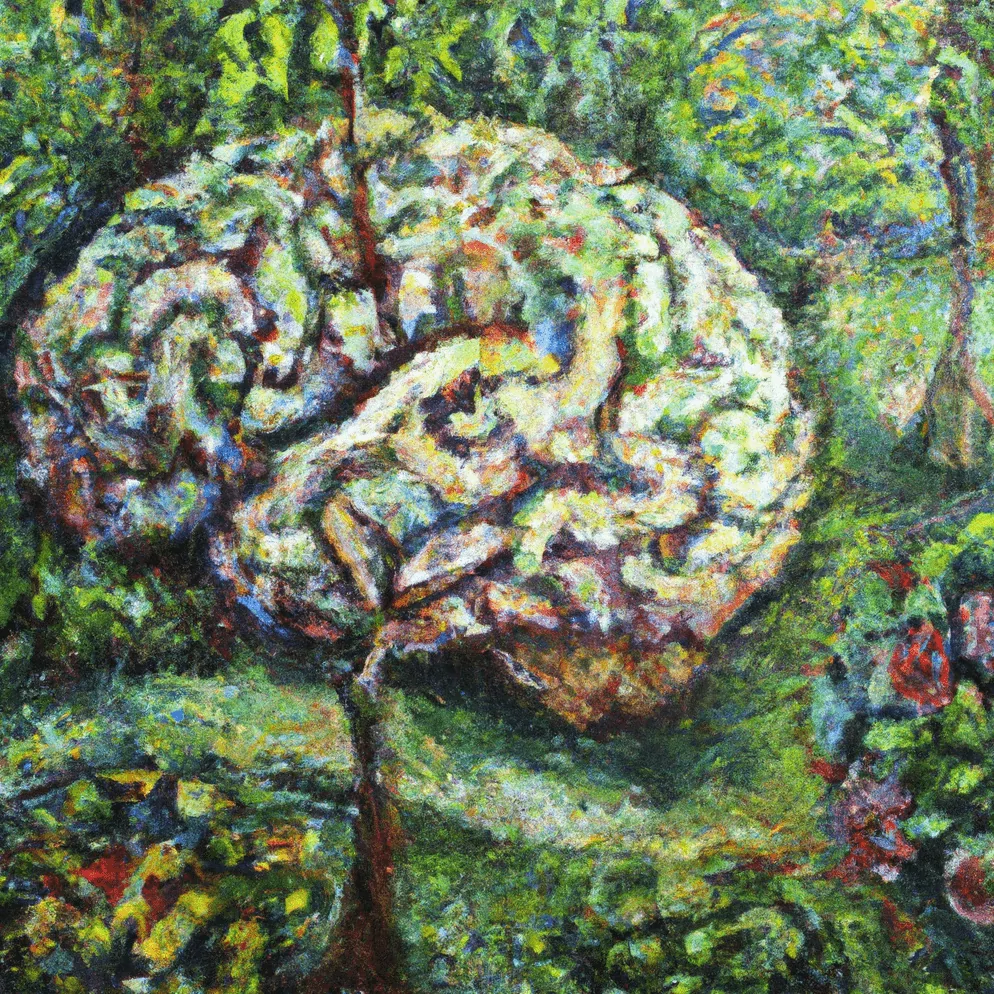
Cultivating the Inner Garden
Living with a generous heart begins long before outward acts of service.
It begins within.
Purpose grows in cultivated soil.
Compassion grows where healing has taken place.
Generosity grows where fear no longer dominates.
That is why tending the inner garden matters.
The pace of modern life, endless responsibilities, and constant digital distractions can quietly crowd out the very practices that nourish our inner world.
Without intentional care, anxiety becomes weeds.
Comparison spreads like invasive vines.
Scarcity hardens the soil.
But when we intentionally create space for stillness, reflection, gratitude, forgiveness, and love, generosity begins to flourish naturally.
The outer life is always an expression of the inner life.
Final Reflection
Perhaps the question is not whether we have enough to give.
Perhaps the better question is:
What kind of heart am I cultivating?
This week, may we choose to quiet the external noise and spend time tending our inner garden.
May we cultivate hearts that are generous with encouragement, compassionate in relationships, courageous in purpose, and steadfast in hope.
Because the world does not simply need more successful people.
It needs more generous hearts.
And perhaps that is what it truly means to Be God’s Glow.
Not merely shining for ourselves,
but becoming a light that helps others find their way.
For when love is cultivated within,
its light naturally reaches beyond us.

✍🏽 About the Author

Esther Bobo is a wellness storyteller and advocate passionate about helping individuals heal, grow, and live authentically. Through her writing, she explores themes of self-awareness, emotional healing, and spiritual transformation — inviting readers to reconnect with their inner light and live from a place of truth.